Patients in Charlotte sometimes arrive with a declared allegiance: they want the hands-on stuff and not the exercise sheet, or they want a real workout and regard time on the treatment table as a warm-up act. Clinics like Elite Physical Therapy, which describes its approach as hands-on and personalized, build plans the other way: the two are prescribed together because they do different jobs, and each one's weakness is the other one's strength.
What hands-on therapy does well
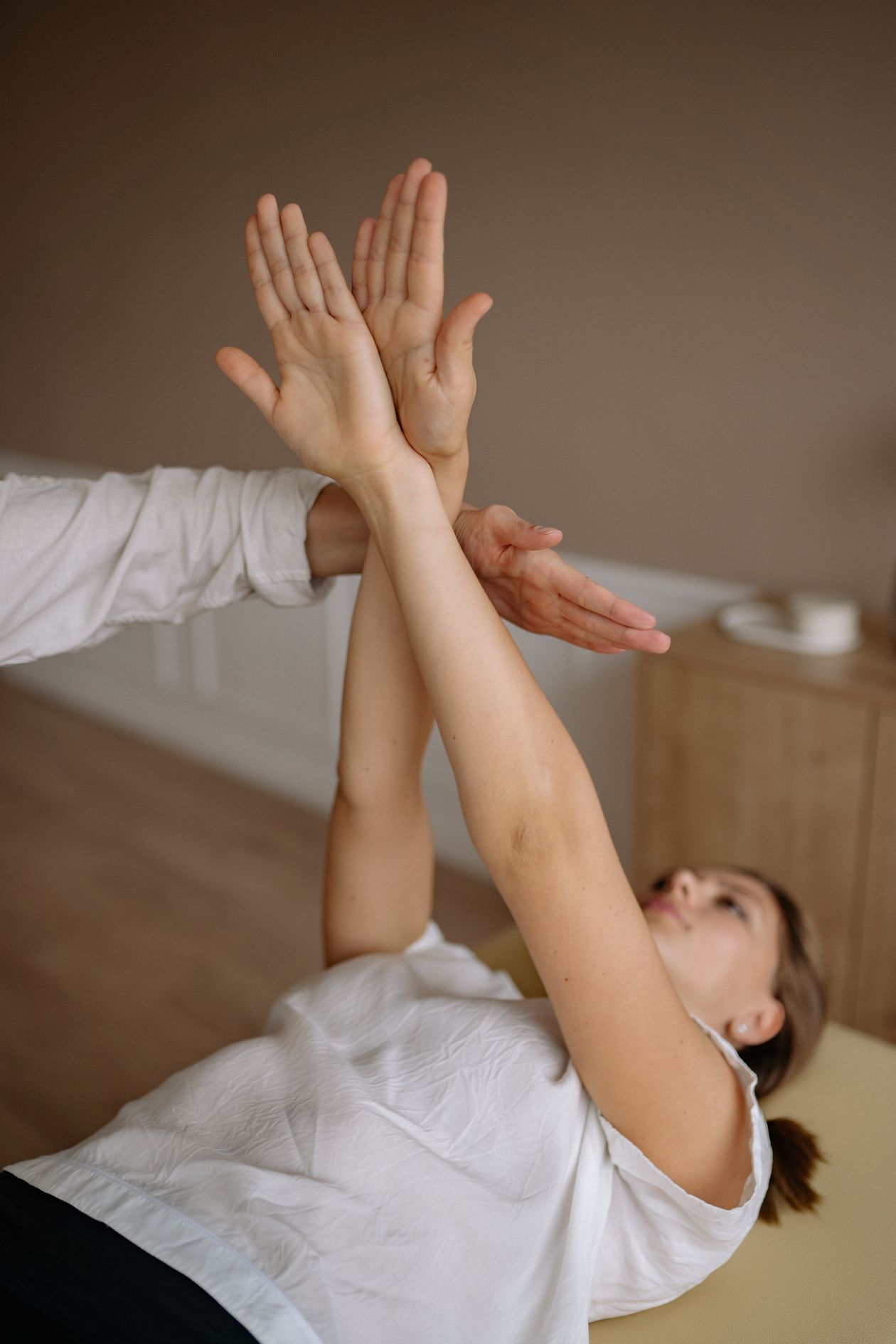
Manual therapy is the umbrella for treatment the therapist delivers with their hands: joint mobilization and manipulation, soft tissue work, assisted stretching, and techniques aimed at calming irritated tissue. Its strengths are real. It can reduce pain in the short term, sometimes noticeably within a session. It can coax a guarded joint into moving through range that the patient cannot yet reach alone, because pain and protective muscle spasm are standing in the way. And it gives the therapist information no questionnaire provides: how a joint actually feels at the end of its range, which tissues are tender, which directions are blocked.
Its weakness is durability. The relief from hands-on work, by itself, tends to fade over days. Nothing about a mobilized joint makes the surrounding muscles stronger or the movement pattern that overloaded it any wiser.
What exercise does well
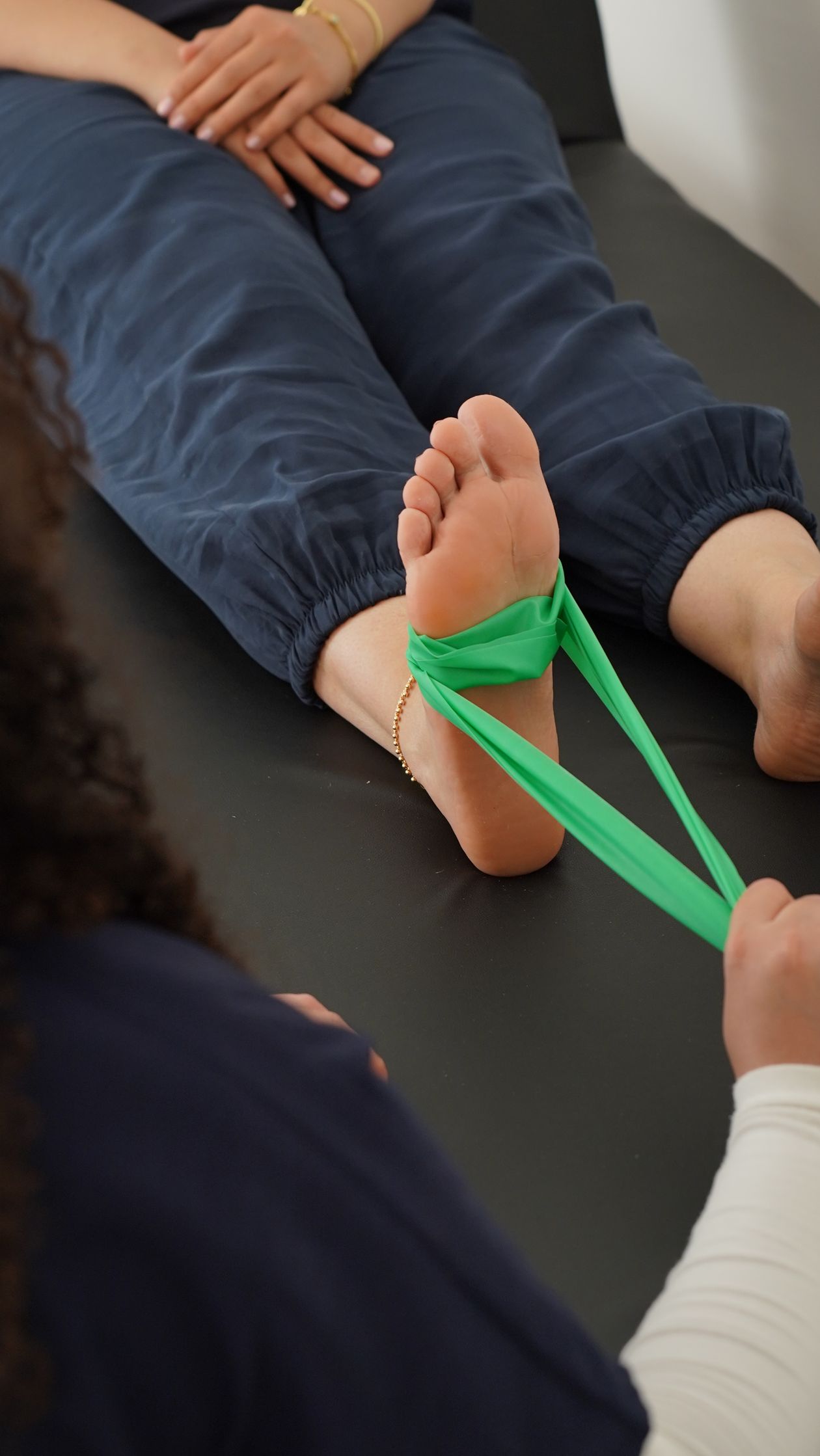
Exercise is the durable half. Progressive loading rebuilds strength and tissue capacity, movement retraining changes the patterns that caused the overload, and the home program puts most of the weekly dose in the patient's own hands. Its weakness is the starting problem: a joint too painful or too stiff to move well cannot be exercised effectively, and patients asked to push through that barrier often just learn to compensate, beautifully strengthening the wrong pattern.
| Hands-on therapy | Exercise | |
|---|---|---|
| Main effect | Less pain, freer motion, now | More strength and capacity, lasting |
| How long gains last alone | Hours to days | Weeks to months, with upkeep |
| Delivered by | The therapist, in the clinic | The patient, coached in the clinic, done mostly at home |
| Best moment | Early, when pain blocks movement | Throughout, progressing as pain allows |
| Failure mode alone | Feels good, changes little | Cannot start, or reinforces compensation |
How the pairing runs inside a plan
A typical session uses manual work first, targeted and brief, to open a window: a stiff shoulder that gains twenty degrees, a back that stops guarding. The exercise portion then works deliberately inside that new window, teaching muscles to own the range the therapist just borrowed for you. Over weeks, the ratio shifts. Early visits lean hands-on while pain dominates; later visits lean toward loading and independence, because the goal of the whole enterprise is a patient who no longer needs the table.
The personalization sits in that ratio. Two patients with the same diagnosis on paper, a desk worker with a stiff, achy back and a post-surgical shoulder, get visibly different sessions from the same clinic, because what blocks each of them is different.
There is also a trust element, and it is not soft. A therapist's hands find things a questionnaire cannot: guarding you did not know you were doing, a joint that moves well passively but not when you drive it. That information quietly steers the exercise prescription, which is why a plan built after hands-on assessment tends to fit better than one built from a diagnosis line alone.
How to judge your own plan
A plan that is all table and no progression, month after month, with no home program and no discharge direction, deserves a question. So does a plan that hands you exercises on day one with no hands-on assessment of why you hurt. The healthy shape is a blend that visibly evolves: less passive care, more of you doing the work, and goals that keep pointing at the activities you came in wanting back. That shape, more than any single technique, is what good therapy looks like from the patient's side of the table.
Common questions
Does hands-on therapy actually do anything, or is it just massage?
Manual therapy is more specific than general massage: graded forces applied to particular joints and tissues to change motion and pain. Its effects are strongest in the short term, which is exactly why it is paired with exercise.
Why not just do my exercises at a gym on my own?
You eventually should. The clinic phase exists to find the right exercises, dose them correctly, and correct your form while pain and healing are still variables. Independence is the goal, reached in stages.
How much of my session should be hands-on?
It depends on the phase of your problem. Early and painful usually means more; later and stronger means less. If the balance never changes across your plan, ask your therapist about the reasoning.
Photos in this guide are representative stock images.
← All guides from Elite Physical Therapy← Back to Elite Physical Therapy