Pelvic floor problems have an image problem: they are extremely common, genuinely disruptive, and discussed almost nowhere. Leaking urine when you cough, sneeze, or land from a jump. Pelvic pain that makes sitting through a workday in Charlotte a negotiation. The feeling, after childbirth, that your body has not come back together properly. These are mechanical problems in a group of muscles, and muscles are what physical therapists treat.
Pelvic health is a branch of physical therapy focused on the pelvic floor: the sling of muscles at the base of the pelvis that supports the bladder, bowel, and reproductive organs, and that works with the diaphragm and deep core as a pressure system. At Elite Physical Therapy, pelvic health is offered for women and men, in private treatment rooms, which is the setting this kind of care requires.
What brings people in
For women, common reasons include stress incontinence (leaking with coughing, running, or lifting), urgency and frequency, pelvic organ prolapse symptoms, pain with intercourse, and postpartum recovery, including separation of the abdominal muscles. Pregnancy and delivery load the system enormously, and symptoms that get dismissed as the new normal after a baby are often specific, treatable muscle and coordination problems.
For men, pelvic therapy addresses pelvic pain syndromes, urinary leaking after prostate surgery, and urgency or frequency with no infection behind it. Male pelvic pain in particular is frequently a tension problem: muscles held braced for months until the brace itself hurts.
That last point surprises people. Not every pelvic floor is weak. Some are overactive, unable to relax and lengthen, and for those patients the popular advice to do endless squeezing exercises is exactly wrong. Sorting weak from overactive from uncoordinated is the evaluation's job, and it is why self-prescribing exercises from the internet disappoints so many people in this area specifically.
How a first visit starts
- A conversation, in a private room. Your symptoms, history, surgeries, births, medications, and what you want to get back to. Nothing physical happens before this is thorough.
- General movement and core screening. Breathing pattern, posture, hip and back movement, and how your core manages pressure, all fully clothed.
- Explanation before any internal assessment. An internal examination gives the clearest picture of pelvic floor strength, tone, and coordination, and it is only done with your informed consent, explained in advance, and stopped at any point you say so. External-only assessment is also possible, and your therapist will tell you honestly what it can and cannot show.
- A plan with home components. Exercises, bladder or bowel habits, pressure management for lifting and exercise, adjusted to what the assessment actually found.
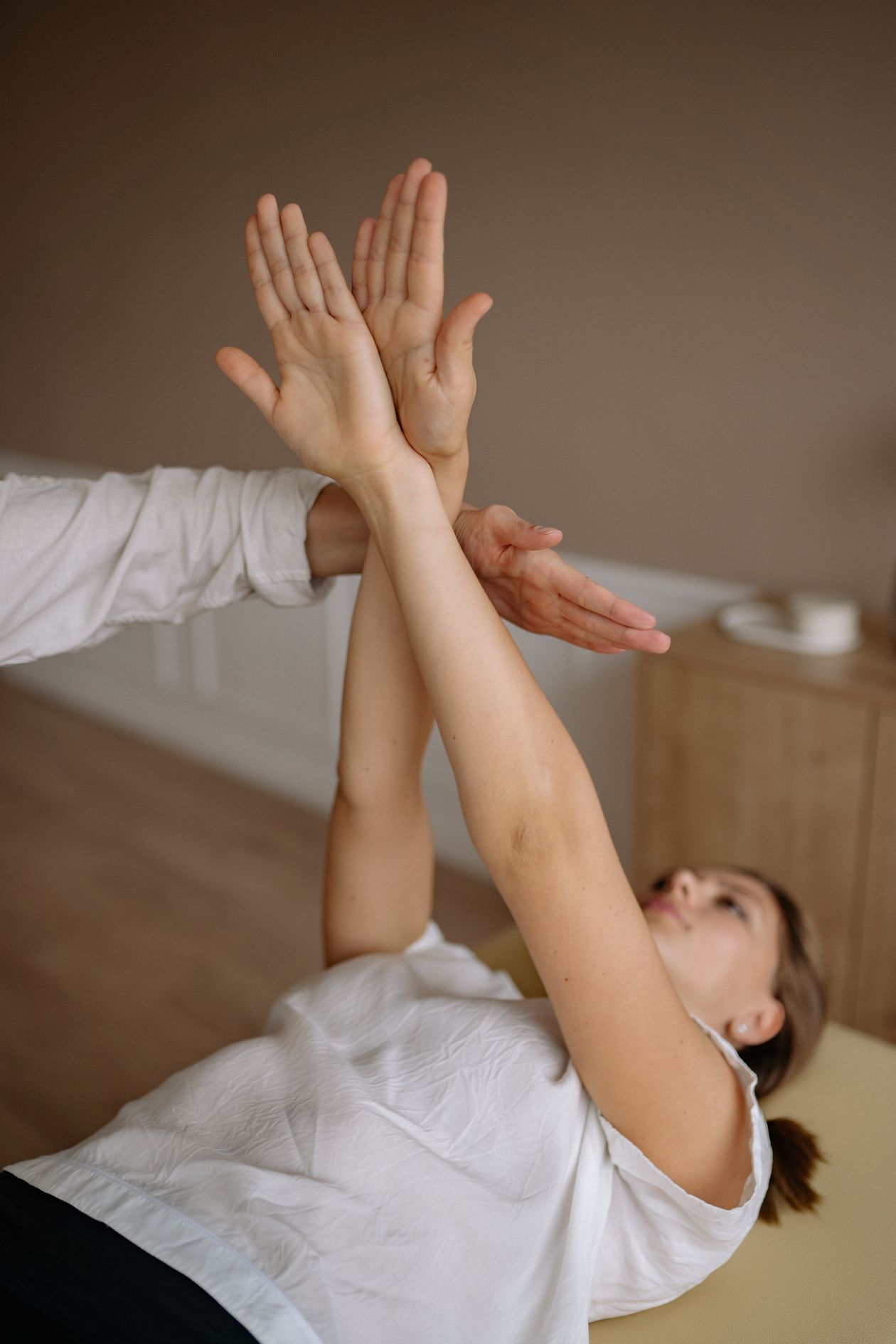
What progress looks like
Early wins are usually coordination wins: learning to contract the pelvic floor without holding your breath or clenching everything else, and, just as important for the overactive group, learning to fully let it go. Strength and endurance build over the following weeks. Bladder habits often change alongside: the just-in-case bathroom trip every hour trains a bladder to signal early, and spacing trips gradually is part of many plans.
For postpartum patients, the goal is rarely just the pelvic floor in isolation. It is the whole pressure system working again so that lifting the baby, returning to running, and eventually training hard are built on a foundation that manages load rather than leaking under it.
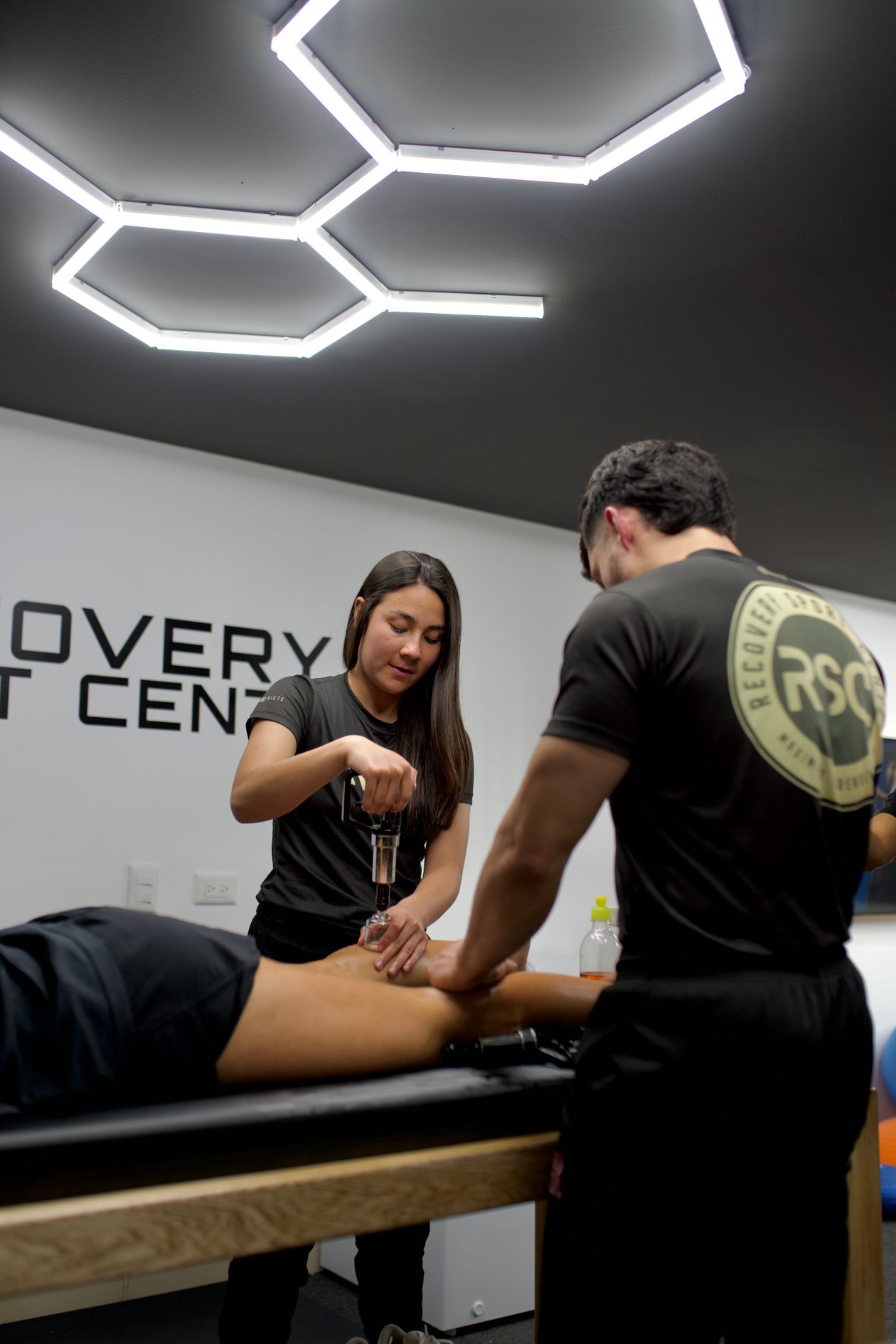
The privacy question, answered directly
Everything about this care happens in a private room with the door closed, appointments are scheduled so you are not discussing symptoms across a gym floor, and you control the pace of assessment. If embarrassment has been the thing keeping you from an appointment, it is worth knowing that therapists in this specialty discuss these symptoms all day, every day, in the same tone they would use for a knee. Common, mechanical, and usually improvable is the whole framing.
Common questions
Is an internal examination required?
No. It is the most informative option and is commonly recommended, but it is always your choice, fully explained first, and therapy can begin with external assessment and progress from there.
Are pelvic floor exercises just Kegels?
No, and for overactive pelvic floors, Kegels are the opposite of the prescription. Treatment may emphasize relaxation, lengthening, breathing, and coordination as much as strengthening, depending on the assessment.
How long after having a baby should I wait?
Many people are seen after their postpartum check with their provider, but symptoms during pregnancy can also be treated. Ask your obstetric provider and the clinic; leaking or heaviness that persists deserves assessment rather than patience.
Photos in this guide are representative stock images.
← All guides from Elite Physical Therapy← Back to Elite Physical Therapy